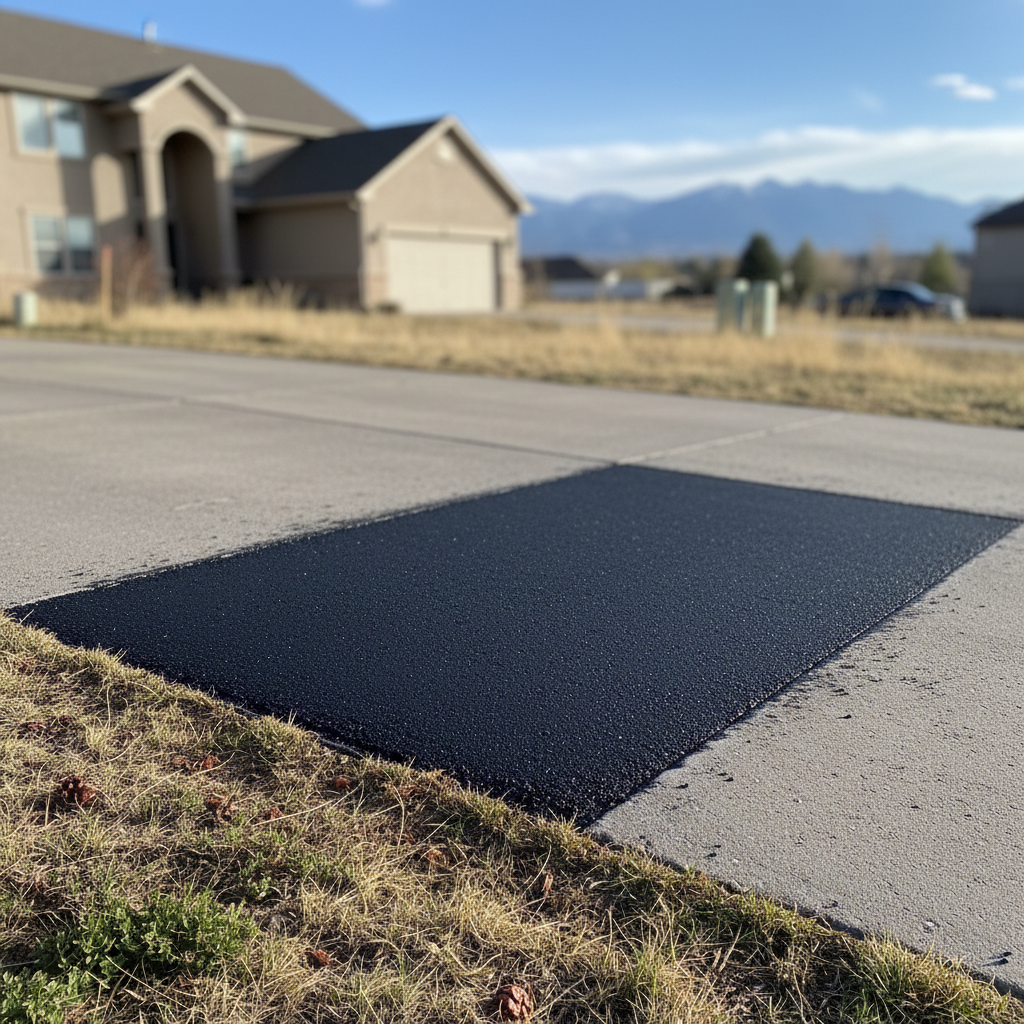
Patching Potholes & Cracks: Your Lafayette Asphalt Repair Questions Answered
Your asphalt driveway takes a beating, especially out here in Colorado. Between the freeze-thaw cycles, the sun, and just plain old wear and tear, it's bound to show some cracks or potholes eventually. When that happens, folks usually have a bunch of questions about patching it up. I get it. You want to know what's going on and what's the best way to fix it without throwing money away. So, I put together answers to the most common questions I hear from homeowners right here in Lafayette.
What causes potholes and cracks in my asphalt driveway?
This is probably the number one question, and it's a good one because understanding the 'why' helps you prevent future issues. The biggest culprit around here is water. When water seeps into tiny cracks in your asphalt, and then our Colorado temperatures drop below freezing, that water expands as ice. It pushes the asphalt apart from the inside. When it thaws, you're left with a bigger void, and the process repeats. Eventually, the surface collapses, and boom, you've got a pothole. Heavy traffic, poor drainage, and even just the age of your asphalt contribute too. The sun's UV rays dry out the binders in the asphalt, making it brittle and prone to cracking. We see a lot of issues in older neighborhoods, like those around Old Town, where driveways haven't been maintained in years.
Is patching a permanent fix, or just a temporary one?
That depends entirely on the type of patch and the overall condition of your driveway. A proper, hot-mix asphalt patch that's cut out, cleaned, and compacted correctly can last for years. We're talking about a repair that integrates well with the existing asphalt. But if your entire driveway is crumbling, covered in alligator cracking, and just falling apart, then a patch is really just a band-aid. It'll fix that one spot, but new problems will pop up elsewhere. Think of it like putting a new tire on a car with a blown engine – it'll get you a little further, but it's not solving the core problem. If your base is failing, or you have extensive cracking, you might be looking at a bigger project down the road.
What's the difference between cold patch and hot patch?
This is crucial. Cold patch, or cold mix, is what you can buy in bags at the hardware store. It's designed for quick, temporary fixes. You can throw it in a pothole yourself, tamp it down, and it'll get you by for a bit. It doesn't bond as well, and it's not as durable. It's a good emergency fix, especially if you're trying to prevent further water damage until you can get a professional out. Hot patch, on the other hand, is what we use. It's hot-mix asphalt, the same stuff used to lay new driveways. It's applied hot, compacts much better, and forms a much stronger, more permanent bond with your existing asphalt. It's a professional-grade repair that lasts significantly longer. If you're calling someone like Diamond Asphalt, you're getting hot patch.
How long does an asphalt patch usually last?
A well-done hot asphalt patch, using quality materials and proper techniques, can easily last 5-10 years, sometimes even longer. It really depends on the underlying issues, the quality of the original driveway, and how well you maintain it afterward. If the patch was done over a weak sub-base that wasn't addressed, or if you have heavy vehicles constantly driving over it, its lifespan might be shorter. Regular sealcoating of your entire driveway, including the patched areas, will extend the life of everything. It's like putting sunscreen on your skin – it protects it from the elements.
Can I patch my driveway myself, or should I hire a professional?
You absolutely can do small, temporary patches yourself with cold mix. For a small pothole or crack, if you're just trying to get through the winter or stop it from getting worse, go for it. Clean out the hole, pour in the cold patch, and tamp it down firmly. But for anything larger, deeper, or if you want a repair that actually lasts, you really should call in a professional. We have the right equipment to cut clean edges, prepare the base, apply hot asphalt at the correct temperature, and compact it properly. This ensures a durable, long-lasting repair that integrates seamlessly with your existing driveway, rather than just sitting on top of it. Plus, we know how to deal with the tricky clay soils we sometimes find under driveways in this area.
When is it time to stop patching and consider a full replacement?
This is the tough question, and it's one I get asked a lot. If you're patching the same areas repeatedly, or if new cracks and potholes are appearing faster than you can patch them, it's a pretty good sign that your driveway's foundation or overall structure is failing. Extensive alligator cracking (a pattern of interconnected cracks that looks like alligator skin) across a large portion of your driveway is another big indicator. If more than 25-30% of your driveway needs patching, or if the patches aren't holding up, you're likely throwing good money after bad. At that point, a full replacement or a significant overlay might be the more cost-effective solution in the long run. We can come out, take a look, and give you an honest assessment of what makes the most sense for your situation.
What's the best way to maintain my asphalt after patching?
Once you've got those patches in, you want to protect your investment. The biggest thing you can do is regular sealcoating. I recommend sealcoating every 2-3 years, depending on traffic and sun exposure. Sealcoating protects the asphalt from UV rays, water penetration, and oxidation. It also fills in tiny hairline cracks before they become bigger problems. Keep your driveway clean – sweep off debris, dirt, and leaves. Make sure your drainage is good, so water isn't pooling on the surface. If you see any new small cracks forming, address them quickly with a quality crack filler. A little proactive maintenance goes a long way in extending the life of your asphalt, patched areas and all.
Hopefully, this clears up some of those common questions you might have about asphalt patching. It's not rocket science, but there's definitely a right way and a wrong way to do it if you want the repair to last. If you've got more questions or need a hand with your driveway, give us a call at Diamond Asphalt. We're always happy to help our neighbors here in Lafayette.