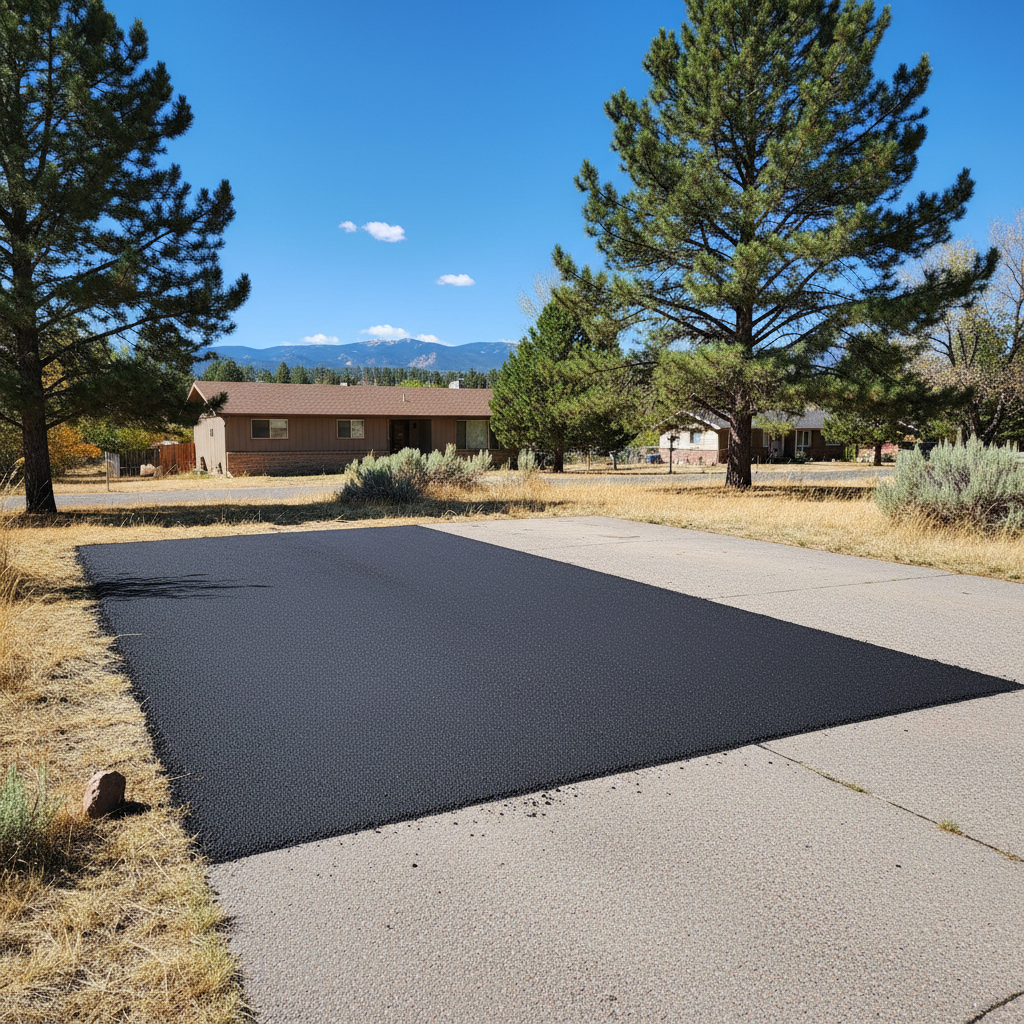
Alright, let's talk about money. Specifically, what it's going to cost you to get that asphalt fixed up around Lafayette. Nobody likes surprises when it comes to home or business expenses, and asphalt repair is no different. I get calls all the time from folks trying to figure out if a quote is fair, or just what they should budget for a repair job. So, I'm going to lay it out for you.
What Makes Asphalt Repair Prices Go Up (or Down)?
You know how it is, nothing's ever a one-size-fits-all price. Asphalt repair is definitely in that category. A few big things really move the needle on cost:
- The Type of Damage: A simple crack fill is way cheaper than digging out and repaving a section with severe alligator cracking. Potholes are usually somewhere in the middle, depending on their size and depth. If your asphalt is just starting to show hairline cracks, that's a quick fix. If it's crumbling and looks like a jigsaw puzzle, that's a bigger job.
- Size and Scope of the Repair: This is probably the biggest factor. Repairing a small pothole in a residential driveway is a quick job. Fixing multiple large sections of a commercial parking lot, especially if it requires milling out old asphalt and laying new base, is a whole different ballgame. We measure repairs in square feet, and the more square feet, the more material and labor needed.
- Accessibility: Can we easily get our equipment in there? If we're working on a tight residential driveway with landscaping right up to the edge, it takes more care and time. A wide-open commercial lot is usually easier and faster.
- Material Costs: Asphalt, like everything else, has its own market fluctuations. Fuel prices for our equipment and trucks also play a role. We've seen material costs shift quite a bit over the years.
- Prep Work Needed: Sometimes, what looks like a simple repair requires more extensive prep. Maybe there's poor drainage contributing to the problem, or the sub-base beneath the asphalt is compromised. Fixing the root cause adds to the cost, but it's essential for a lasting repair.
- Time of Year: Believe it or not, the season can sometimes affect pricing. Working in freezing temperatures or during heavy snow isn't ideal, and sometimes jobs have to be pushed, which can impact scheduling and therefore, cost. Here in Lafayette, the freeze-thaw cycles we get can really mess with asphalt, so getting repairs done before winter hits hard is always a good idea.
Typical Cost Ranges for Common Repairs (Lafayette Specifics)
Okay, let's get down to some real numbers. These are general ranges I've seen for residential and small commercial jobs around Lafayette. Keep in mind, every job is unique, but this should give you a decent ballpark.
- Crack Filling: For minor cracks (1/4 inch to 1/2 inch wide), you're often looking at $0.75 to $2.50 per linear foot. This is a preventative measure that really extends the life of your asphalt.
- Pothole Repair (Patching): For individual potholes, especially those up to 10-15 square feet, you might see prices from $150 to $400 per hole, depending on depth and complexity. If you have multiple potholes, it often makes sense to do them all at once, which can sometimes bring the per-hole cost down slightly due to efficiency. For larger areas of patching, say 50-100 square feet, expect $5 to $10 per square foot.
- Section Replacement (Dig Out & Replace): This is for areas with severe damage, like deep rutting or extensive alligator cracking where the sub-base might also be an issue. For these kinds of repairs, which involve cutting out the old asphalt, excavating, compacting the base, and laying new asphalt, you're typically looking at $8 to $15 per square foot. This is a more involved process and includes material, labor, and disposal. For example, replacing a 200 sq ft section of a driveway could run you $1,600 to $3,000.
Remember, these are just averages. A tiny, shallow pothole in a super accessible spot will be on the lower end, while a deep, wide one in a tricky location will be higher.
What Should a Good Quote Include?
When you get a quote from Diamond Asphalt or any other reputable contractor, it shouldn't just be a single number. A good quote will break down the work for you. Here's what you should expect to see:
- Detailed Description of Work: Exactly what's being done. Is it crack filling, pothole patching, or full-depth section replacement? What areas are being addressed?
- Measurements: The linear feet for cracks, or square footage for patches/sections.
- Materials Used: What kind of asphalt mix, what type of crack filler, etc.
- Preparation Steps: Will they clean the area, cut out old asphalt, compact the base?
- Cleanup: What happens to the old asphalt and debris?
- Warranty: What kind of guarantee do they offer on their work?
- Total Cost: The final price, clearly stated.
Don't be afraid to ask questions if something isn't clear. It's your property and your money.
How to Avoid Overpaying for Asphalt Repair
Nobody wants to get ripped off. Here's my advice for making sure you're getting a fair deal:
- Get Multiple Quotes: This is basic, but essential. Get at least three detailed quotes from different contractors. It helps you compare not just prices, but also the scope of work and what's included.
- Understand the Scope: Make sure each quote is for the exact same work. One contractor might quote you for just patching the surface, while another might include digging out and fixing the sub-base, which is a better long-term solution but costs more upfront. You need to compare apples to apples.
- Check References and Reviews: See what other folks in Lafayette are saying about the contractor. A good reputation usually means fair pricing and quality work.
- Don't Go for the Lowest Bid Automatically: The cheapest option isn't always the best. Sometimes, a super low bid means they're cutting corners on materials, labor, or insurance. You'll end up paying more in the long run when the repair fails quickly.
- Ask About Experience: How long have they been doing this kind of work? Do they specialize in residential or commercial? A contractor who knows the local soil conditions – like the expansive clay we sometimes deal with around the Coal Creek Trail area – will be better equipped to provide a lasting repair.
Doing your homework upfront will save you headaches and money down the road. If you've got questions about your specific asphalt repair needs here in Lafayette, give us a call at Diamond Asphalt. We're always happy to take a look and give you an honest assessment.