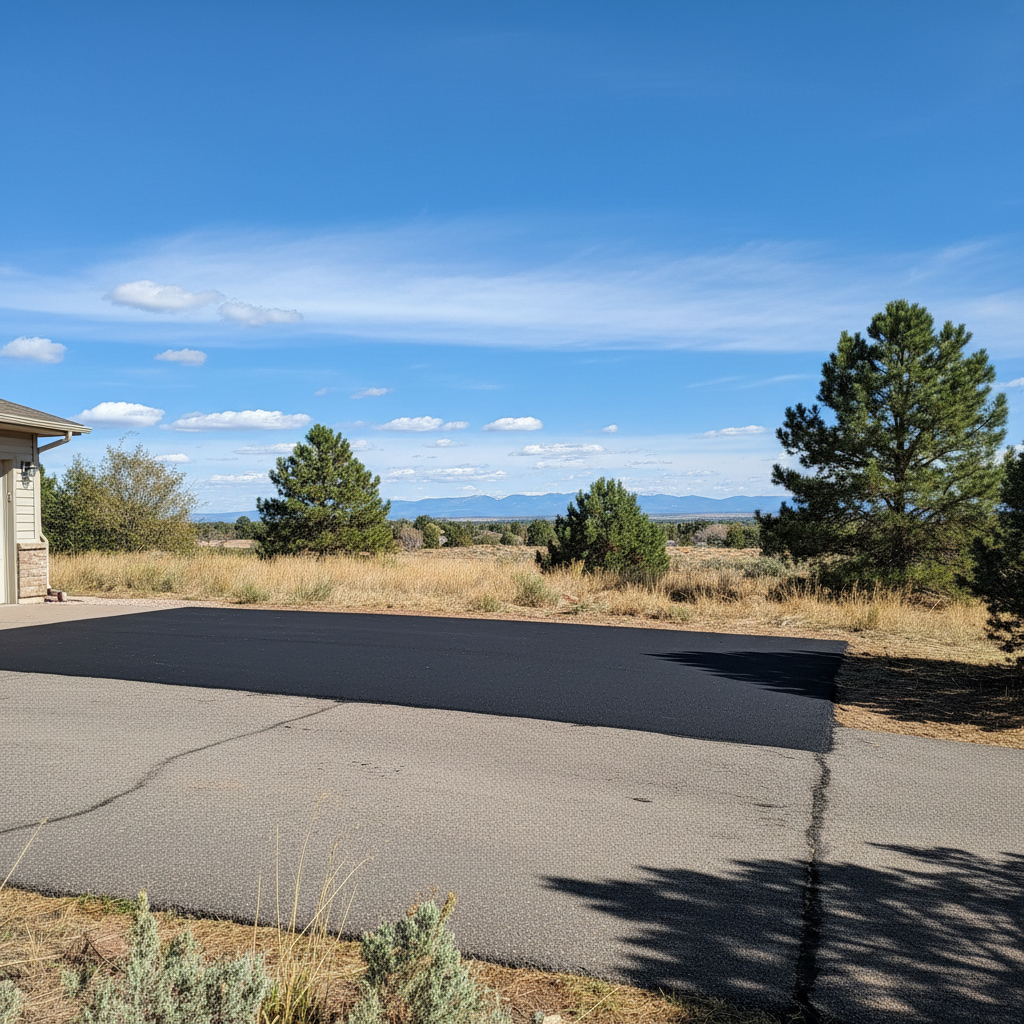
You've got a pothole, some cracks, or a sunken spot in your asphalt. It's an eyesore, maybe even a trip hazard. So you decide it's time to get it patched up. Good call. But here's the thing: I've seen a lot of folks in Lafayette make some pretty common, and frankly, expensive mistakes when they're planning or hiring for these projects. Let's talk about what not to do.
Mistake #1: Not Understanding the 'Why' Behind the Damage
This is a big one. You see a crack or a pothole and you think, "Okay, patch it." But why is it there in the first place? Is it poor drainage? Is it a tree root pushing up? Is it a settling sub-base? Especially around some of the older homes in Lafayette, where the soil can be pretty expansive clay, you might have underlying issues that just patching won't fix long-term.
If you don't address the root cause, that patch is just a band-aid. It'll fail, and you'll be right back where you started, probably sooner than you think. A good contractor, like us at Diamond Asphalt, will ask questions and maybe even do a little inspection to figure out what's really going on. If they just quote you a price for a patch without asking any questions, that's a red flag.
Mistake #2: Going for the Cheapest Bid Without Asking About Methods
Everyone wants to save a buck, I get it. But with asphalt patching, the cheapest bid often means the cheapest materials and the quickest, least effective methods. There are different ways to patch asphalt, and they're not all created equal.
- Cold Patch: This is like a temporary fix. It's fine for emergencies or really small, shallow stuff, but it's not meant to last. It's often used by less reputable contractors for a quick buck.
- Skin Patching: This is where they just lay a thin layer of asphalt over the damaged area without properly preparing the base. It'll look good for a minute, but it's going to crack and peel off quickly because it's not bonded right.
- Cut and Remove (Full Depth Repair): This is the gold standard for significant damage. You cut out the bad section, remove all the damaged material, prepare the sub-base, and then fill it with new, hot asphalt, compacting it properly. This is what you want for lasting repairs.
When you're getting bids, don't just compare prices. Ask them exactly how they plan to do the patch. What method? What materials? If they can't explain it clearly, or if they're pushing a super-low price, be wary. You're paying for a repair, not just a cover-up.
Mistake #3: Not Checking References or Insurance
This one seems obvious, but you'd be surprised how many people skip it. You're letting someone work on your property, potentially with heavy equipment. What if something goes wrong? What if they hit a sprinkler line? What if one of their guys gets hurt?
Always, always ask for proof of insurance – liability and workers' comp. If they can't provide it, or they hem and haw, walk away. It's not worth the risk. And ask for references, especially for patching jobs they've done in the Lafayette area. Call those references. Ask if the patch held up. Ask if they were professional. A good contractor will be happy to provide this stuff.
Mistake #4: Ignoring Proper Drainage Around the Patch
I touched on this with the 'why' behind the damage, but it's worth its own point. Water is asphalt's worst enemy. If your patching project doesn't also address any standing water issues or poor drainage around the area, that patch is going to fail. Water will seep into the new seams, get under the asphalt, freeze and thaw (which we know happens plenty here in Colorado), and create new cracks and potholes.
Sometimes a patch isn't just about filling a hole; it's about slightly re-grading an area to ensure water sheds away properly. If your contractor isn't thinking about drainage as part of the solution, they're missing a critical piece of the puzzle.
Mistake #5: Expecting a Seamless, Invisible Repair
Look, a patch is a patch. Even the best full-depth repair will have seams. It's new asphalt next to old asphalt. The colors will be different at first, and while they'll fade to match over time, it's never going to be perfectly invisible. Some folks get really disappointed when their brand-new patch doesn't blend in perfectly on day one. Manage your expectations here.
The goal of a patch is to create a structurally sound, durable repair that prevents further deterioration and extends the life of your asphalt. It's not about making it look like a brand new driveway. If you want a perfectly uniform look, you're probably looking at an overlay or a full replacement, not just a patch.
So, before you jump into that asphalt patching project, take a breath. Ask the right questions, understand the methods, and make sure you're working with someone who knows what they're doing. It'll save you headaches and money in the long run.