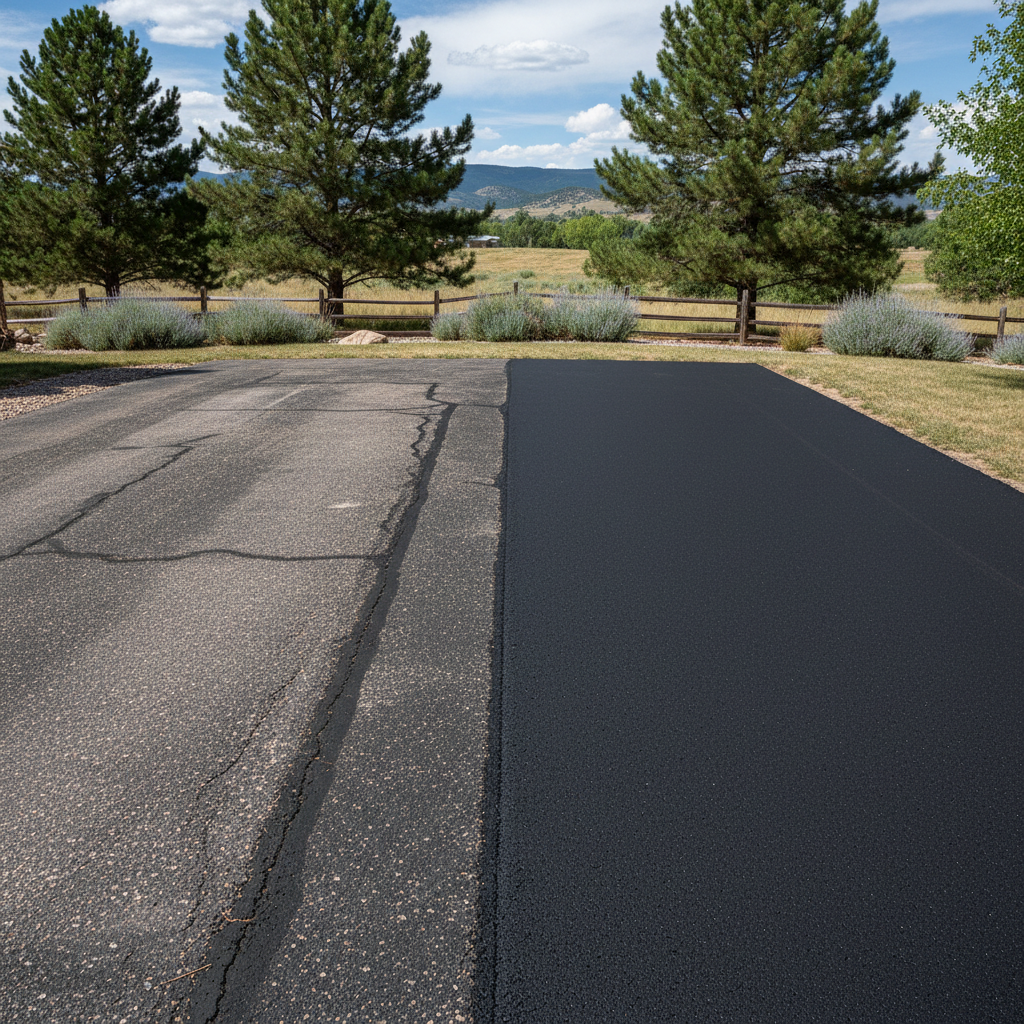
You've got cracks, potholes, or just a tired-looking driveway. Now you're wondering, do I need a whole new driveway, or can I get away with just paving over the old one? It's a common question I get from folks all over Lafayette, from the old town bungalows to the newer developments out by Indian Peaks. Let's talk about asphalt overlays versus full replacement.
What's an Asphalt Overlay?
An asphalt overlay, sometimes called a resurface, is exactly what it sounds like: we clean and prep your existing asphalt driveway, make any necessary repairs to the base, and then lay a new layer of asphalt right on top. Think of it like a fresh coat of paint, but for your driveway. It's usually a 1.5 to 2-inch thick layer of new hot mix asphalt.
Pros of an Overlay:
- Cost: This is usually the big one. An overlay is almost always cheaper than a full replacement because we're not tearing out and hauling away all that old material. Less labor, less disposal, less new material.
- Speed: It's a quicker job. We can often get an overlay done in a day or two, depending on the size of your driveway. Less disruption to your daily routine.
- Appearance: A good overlay makes your driveway look brand new. It smooths out minor imperfections and gives it that deep black finish you want.
Cons of an Overlay:
- Limited Lifespan: This is the main drawback. An overlay is only as good as the foundation underneath it. If your existing asphalt has significant structural issues – widespread deep cracking, heaving, or major drainage problems – an overlay won't fix those. Those issues will eventually telegraph through the new layer. You're probably looking at 5-10 years of good life from an overlay, maybe a bit more if the base was solid.
- Height Increase: You're adding material, so your driveway will be slightly higher. This usually isn't a problem, but it's something to consider if you have tight clearances with garage doors or existing landscaping.
- Not always an option: If your driveway is truly shot, an overlay isn't going to cut it. We won't recommend it if we know it's just a temporary band-aid on a bigger problem.
What's a Full Asphalt Replacement?
A full replacement means we rip out all the old asphalt, haul it away, inspect and often re-grade your sub-base, add new aggregate if needed, compact it thoroughly, and then lay down two new layers of asphalt – a binder course and a top course. This is the whole enchilada.
Pros of a Full Replacement:
- Longevity: This is where a full replacement shines. When done right, with a properly prepared base, you can expect 15-25 years out of a new driveway. It's a long-term investment.
- Structural Integrity: We address any underlying issues with drainage, soft spots, or base failures. This gives you a completely new, strong foundation. This is especially important in Colorado, where our freeze-thaw cycles can wreak havoc on a weak base.
- Customization: You get to start fresh. We can adjust grades, widen the driveway, or change its shape if you want.
Cons of a Full Replacement:
- Cost: It's more expensive, plain and simple. More labor, more material, more disposal fees.
- Time & Disruption: It takes longer, usually several days, and your driveway will be completely inaccessible during parts of the process.
- Mess: There's more demolition involved, which means more dust and debris, though we always clean up thoroughly.
So, Which One for Your Lafayette Driveway?
Here's how I usually break it down for folks:
- Choose an Overlay if: Your driveway is generally in good shape, but has minor surface cracks, fading, or shallow potholes. The base feels solid when you walk or drive on it, and you don't see major dips or humps. You're looking for a cost-effective way to refresh its appearance and extend its life for another 5-10 years. You're okay with a shorter lifespan for a lower upfront cost.
- Choose a Full Replacement if: Your driveway has widespread deep cracks (alligator cracking), significant potholes that go through to the base, areas that are sinking or heaving, or drainage problems that cause puddles. If your driveway is 20+ years old and has never been touched, a full replacement is almost certainly the way to go. This is the best option for long-term value and peace of mind, especially with Lafayette's expansive soils that can cause real headaches if not properly managed.
Ultimately, the best way to know for sure is to have someone like me from Diamond Asphalt come out and take a look. We can assess the condition of your existing asphalt, check the base, and give you an honest recommendation based on what we see. We'll tell you if an overlay is a good option or if you'd be throwing money away by not doing a full replacement. We want you to have a driveway that lasts and looks good for years to come.